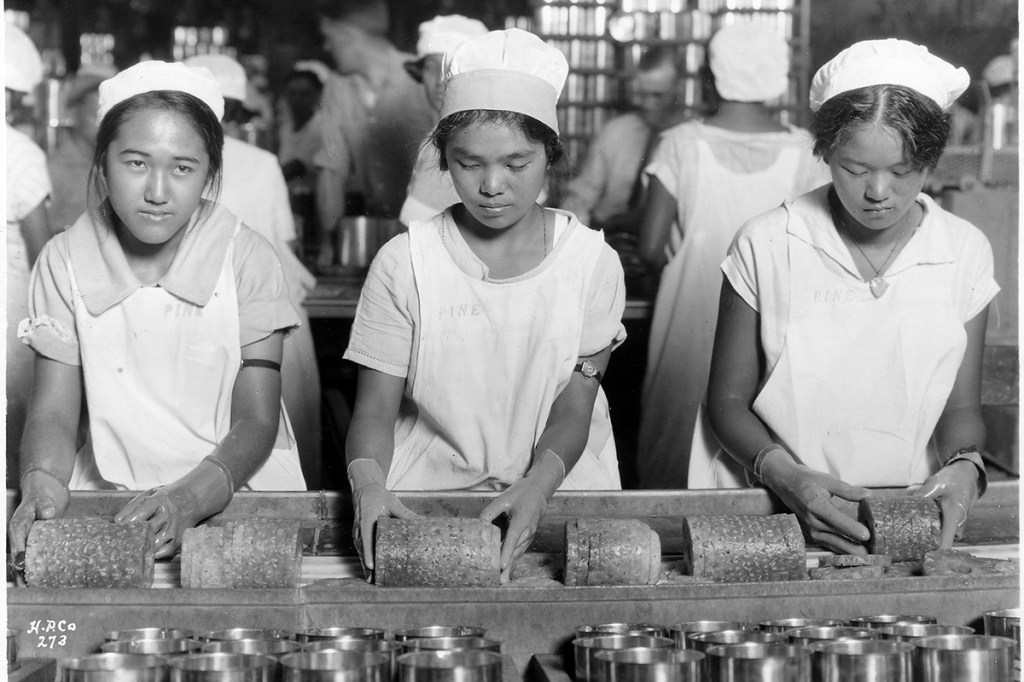
When I began graduate school in 1984 at the University of Washington School of Public Health, I thought I wanted to work in water quality. Yet that first quarter (Tony Horstman and Mike Morgan’s) industrial hygiene class opened my eyes. I learned about workers suffering lead exposure working in battery factories and shipyard workers acquiring asbestosis and mesothelioma. In 1991 when gainfully employed, I instructed others about the recent court case preventing the banning of women from work in battery plants (United Automobile Workers of America v. Johnson Controls, Inc.). Yes, men also suffered reproductive impact from adverse lead exposure but the court-determined solution was to reduce exposures rather than ban women. That first year in graduate school I was hired as a research assistant on a project near the Ruston Tacoma copper smelter. Before long I too learned about the 1911 Triangle Shirtwaist factory in NYC, a key to strengthening work safety regulations, and the Adamson Act which established eight hour work days for railroad workers. (Learn more by watching The Dark History of Labor Day.) For 40 years I felt my vocation to be important and highly relevant. For after all, if we don’t support workers rights, including the right to be safe and healthy at work, what in the world are we doing?
And yet, today I mourn the regression of good work and regulations designed to protect all workers. Yes, on Labor Day 2025, I plan to join fellow community members to protest. Knowing how many workers don’t get days off, vacation, or are expected to work more hours than supports their own health. What about proposed rules to eliminate overtime for certain classes of workers; jobs that happen to employ more women and people of color? Yes, perhaps in my career I’ve worn rose tinted glasses, but I really did believe things were getting better. Now, I’m frightened to think about how much work has gotten worse, and how pay disparities have grown. Everything from gig working delivery drivers who run door-to-door to make quotas to healthcare workers working dangerously long hours and shifts.
Labor Day Founders were looking for two things: a means of unifying union workers and a reduction in work time. In 1890, hours of work had dropped, although the average manufacturing worker still put in a 60 hour week. (Read more from the Indiana Capitol Chronicle.) Sadly, my own daughter working in healthcare puts in weeks like that attending to patients increasingly sicker with fewer staff to help. And other workers who make much less than her do too, as do many more who are piecing together multiple low pay jobs only to barely afford rent and food. And who now may lose healthcare. Yes, I will in my own way, celebrate Labor Day, but it will be a day of protest. You can disagree with me on all of this, but you’d be hard-pressed to tell me that work is getting safer or better for the average worker. Don’t believe me? Check out Jordan Barab’s blog Confined Space.
The only positive in all of this is its relevance to my upcoming book, A Map of Her Own. Yes, it has always been a challenge for women to work in traditionally male industries.

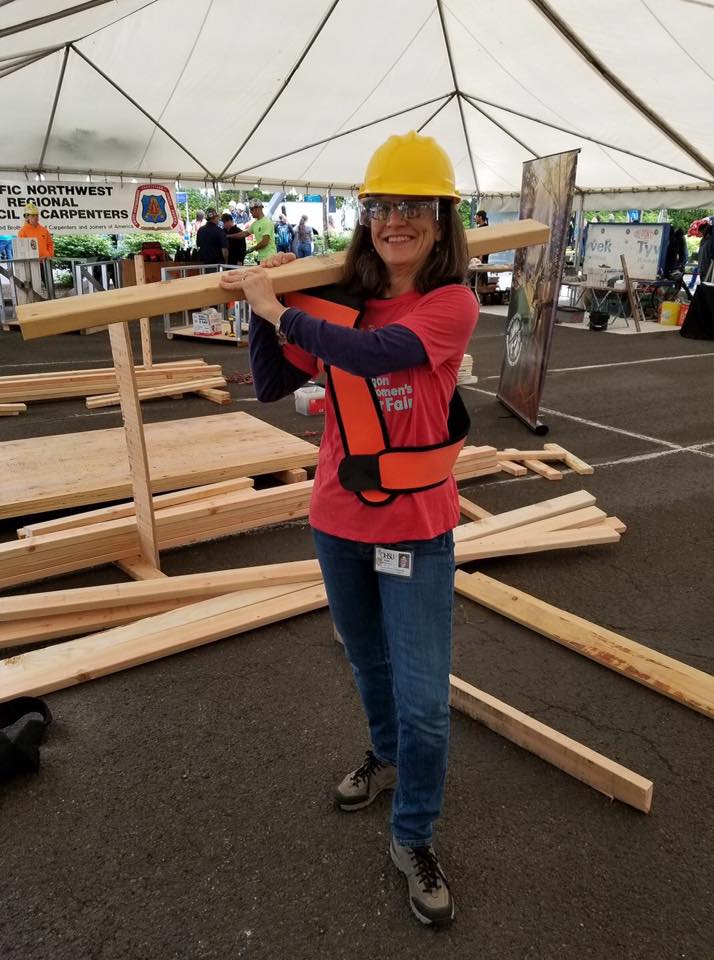
Yes, there have been some improvements. For example construction companies in Oregon and Washington have, in some cases, commited to make work better for women and People of Color. Yet, while I was certain all things would be equal for women one day when I was small, women still earn less money than men, often working in low-wage and precarious jobs with fewer benefits and less predictable schedules while sexual harassment remains a significant problem. Let me make clear: I am no male basher. I have as many favorite male colleagues as not. And unlike things in Emma’s time (my fictional character Emma works in the Camas Mill bag factory and is part of the all female 1913 strike) I too believe it is more like a “few bad apples.” But we do still have many who may not be THE bad apples but choose to look the other way.
It’s times like this when we need to look back in our history. My upcoming book is a work of both place-based and literary fiction. And with my career being what it was, it may not have been a surprise to friends who read Beyond the Ripples, to follow characters whose health was impacted by their job (Amelia’s grandfather’s work at the shipyard, and mother’s night shifts as a nurse). A Map of Her Own begins with fictional Celia working in the crabbing industry in 2025. I had no idea when I began this story that 2025 would bring massive cuts to the National Institute of Occupational Safety and Health (NIOSH). including their programs aimed to make fishing and maritime work safer.
While I am getting excited to share A Map of Her Own with you, I would sadly say, this is not a Labor Day to celebrate but to do everything within our power to do better.
 Dede's Books and blog