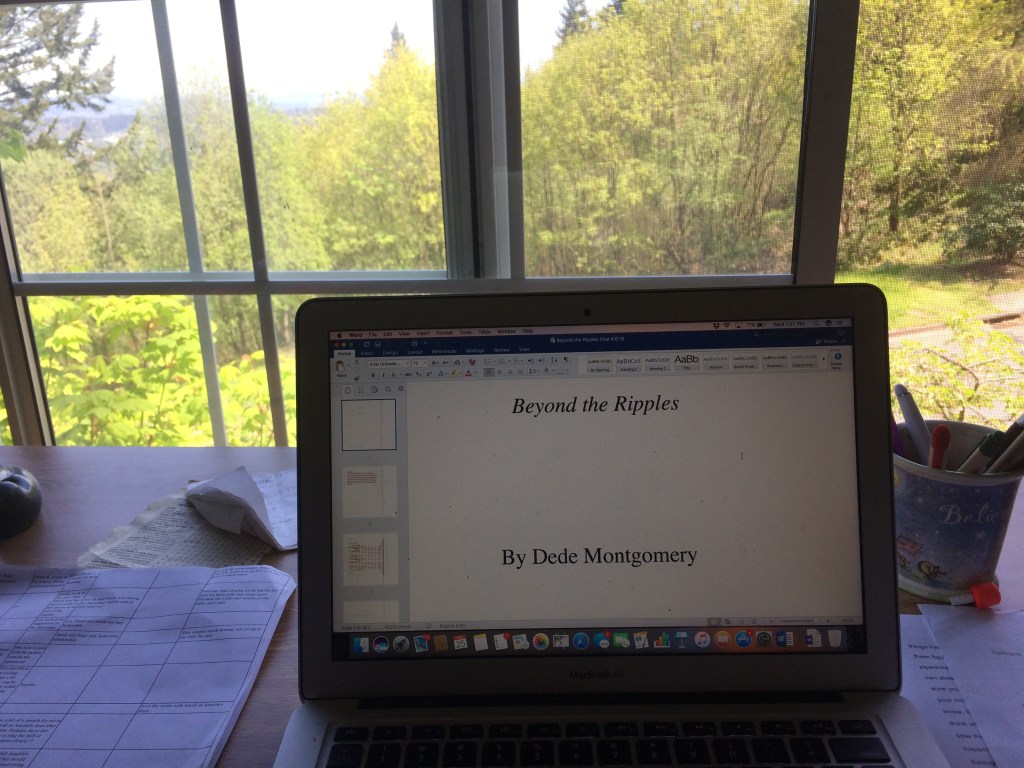
I imagine most of us struggle to find enough free time. Time to do those things we aren’t obligated to do but that we love. Things that fill us. I’ve been privileged to have full time work that I’ve enjoyed most of my life that paid decently. No, we’ll never be rich, but both Russ and I have enjoyed the benefits of paid vacation and sick leave, even if some years it didn’t seem enough. Even then, enough free time seemed hard to find, especially in the days of raising kids or helping aging parents. I do remind myself: even if I had the time in my earlier life, I was not ready to publish a book, even though lots of folks do. Like many, my head was full with my professional journey, relationships and figuring out parenthood. Any creativity was sapped up by other things. Gratefully, I did squeeze in minutes through the years to capture my innermost thoughts by journaling.

I still feel a bit stunned to acknowledge I have written and published four books (five if you count my self-published “blog to book”) while working full-time; all after the age of fifty. I wrote three of them while also helping to care for my aging mom. It feels more monumental to me now that I’m not working full-time, only freelancing a few hours here or there plus spending glorious, exhausting amounts of grandma time. Even then I find the hours of some of those days to elapse quickly.
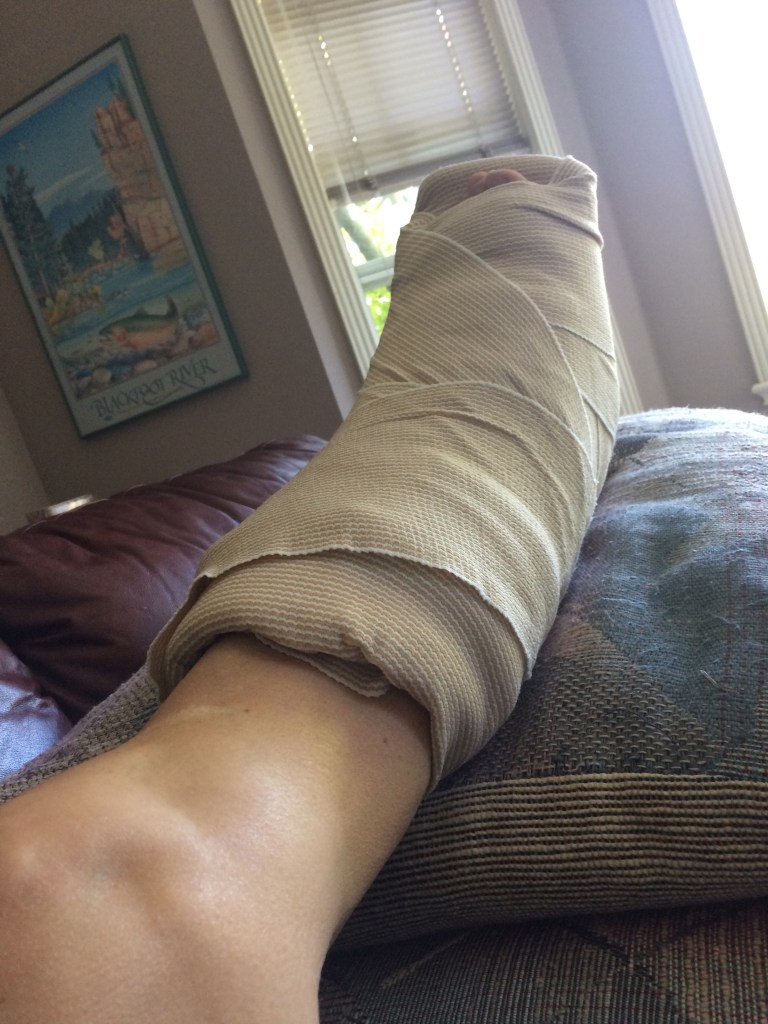
Last week I was reminiscing with a friend about the year I published my first book, My Music Man in 2017 (thanks Bedazzled Ink!). After Dad died in 2014, I found that I simply had to write, starting with the embers of what I shared during his memorial service on the Oregon Maritime Museum Steamer. Even though I was busy with work and helping Mom adjust to her new life, my heart had to craft the stories. What helped me find time then was Russ’s recent mayoral election: he was busier than we’d ever imagined and gone a lot, no virtual meetings yet. Add to that my broken foot, infection and weight bearing activities banned for 16 weeks. Some of the things I loved doing were unavailable to me, even if I still worked. As hard as all of that was, it helped me focus on writing that first book. (I don’t recommend having a lisfranc injury, just saying.) So I wrote. Yes, I wrote on weekends, and on the back of my TriMet bus during work commutes. Airplanes during work travel (yes, bits of two books were drafted and edited on a few long work flights to Thailand), late night hotels or cafes. Looking back now, it’s rather romantic and exciting to have been that driven to get words on the page.
Yes, each of us is different in how we write. My grandfather published three books in his mid and late thirties while raising two sons (okay, he did much less than my grandmother on that end certainly) and running an advertising agency. He wrote his best seller, The White-Headed Eagle (see The Chief Factor Returns) by writing each evening for three weeks straight, followed by three weeks off. That is not a pattern that would have worked for me.
I once wondered if I would be as productive writing if I didn’t work fulltime. I imagined I would feel pressure to produce more with more available time. I’m pleasantly surprised to find that not to be the case. Not yet at any rate. Each morning I have my routine, even the mornings I head out to take care of my grandkid. I’m a morning person, so getting morning writing time is essential although it’s always after first reading the Oregonian online and doing all those NYT word games. Then I write. Or now, edit what I already drafted.
I remember, less with My Music Man, more with the novels that followed, being surprised how much I liked editing. Perhaps part of the excitement of editing is that our work can always be more; it can be better. Since I tend to be a bigger picture thinker rather than detail oriented I had wondered if that part of the writing process would feel repetitive to me. Surprisingly, the tougher thing is knowing when to stop – when enough is enough, and that further reworking may dilute your creation.

The biggest gift I’ve been given as a writer – whether nature or nurture – is to be unafraid to write. In my family, writing was something you did like everyone else. In My Music Man, I share memories of Dad, who grew up with dyslexia, asking me or whoever was nearby how to spell certain words as he typed one piece or another. I have often thought it is part of why I never experience the dreaded “writer’s block.” Or if I do feel a twinge of it coming on, I’m wise enough to know to try again later (or more commonly for me, in the morning). Yes, my entire life I’ve seen family members around me writing and creating confidently.
I tried to think about tips I might have for those who struggle to find or dedicate time. I’m wise enough to understand my life is different than others. But I’m hopeful a few of the tips below might find you a few more unfettered and productive moments.
Tips to Find Time to Write When Working Full-Time
- Be easy on yourself and recognize how much is on your plate, especially if you also have small children or others to care for.
That being said, do set doable goals for yourself. Readjust when life sends you major challenges or upsets. It does not help the creative process to beat yourself up. - Make small, achievable goals.
Remind yourself that to write a book means being in it for the long haul; longer for some. Try to avoid comparing yourself with others. - If the topic isn’t speaking to your heart; take a break; consider a different approach or tactic. Forced writing is not soul-supportive and I suspect it isn’t as high quality as it could be.
- Readjust your free time priorities: trade time with something else for awhile.
I intend someday to become a better piano player. The thing is, I’m not willing to dedicate the time now when I’m focusing on a book. Instead, I encourage myself to be satisfied to play songs if I feel like it without the feeling that I must improve. Or to just skip playing for the time being. - Figure out your best time to write.
Capitalize on those times when you can. Be organized so that once time is at hand you can dig right in. Touching your work more frequently reduces the amount of catch up time which can further limit actual writing time. Look for surprising windows if you can focus during them – I got used to editing or writing short passages during my daily bus commute, or when I had 30 minutes to sit in a coffee shop or pub. Those times tended to make me feel oddly free and inspired. Short bursts can be both effective and uplifting. - Find a community of friends who understand how hard writing can be.
Ignore those who don’t seem to get it, or don’t understand how to be supportive. - Experiment with dictation or other audio voice apps.
Use a handy device like your phone to capture creative ideas and even plot and narrative to support your current project or generate new ideas. Many of my blogs and new book scenes have begun as a short dictation on my iphone notes app while walking, cycling or even kayaking (safely on the shore, of course). - If you have a partner (or best friend) and they are willing, involve them as your cheerleader.
Some are good to brainstorm with, others to review work as well. I kept my first two books to myself largely as my spouse was so busy, although I shared my ideas and early writing with Mom. Now that Russ and I both have more time, I have found sharing much more of my writing even in the early stages has strengthened our relationship and supports me as a writer. - Create ritual in your writing.
When I was in the first draft stages of my first books, I made myself a cup of my favorite tea and served a special biscuit (or four). I think this ritual helped tell my brain we were about to be creative. Even now I do much of my writing with a cup of tea by my side.
Author friends – what other tips do you have to share? I’d love to hear from you. Above all…happy creating.
More about my books.
Check out my blog categories and subscribe to my blog via email.


 Dede's Books and blog
Excellent blog. Enjoyed reading it!Chelsea Sent from my iPhone
LikeLiked by 2 people
Thank you Chelsea!
LikeLike
Any advice for someone with ADHD? This, um, “friend” has difficulty being productive for short periods of time, and finds long “marathon” writing sessions the most efficient way to proceed.
LikeLike
Ooh, that’s a good question. I’d love ot invite others to share their tips too. I do know for me I give myself doable goals (like right now, getting entirely through a chapter edit or review) before I can check my phone or etc. I wonder if small goals like that could be helpful since I can imagine in your profession it is difficult and far between to get away for long writing time.
LikeLike